
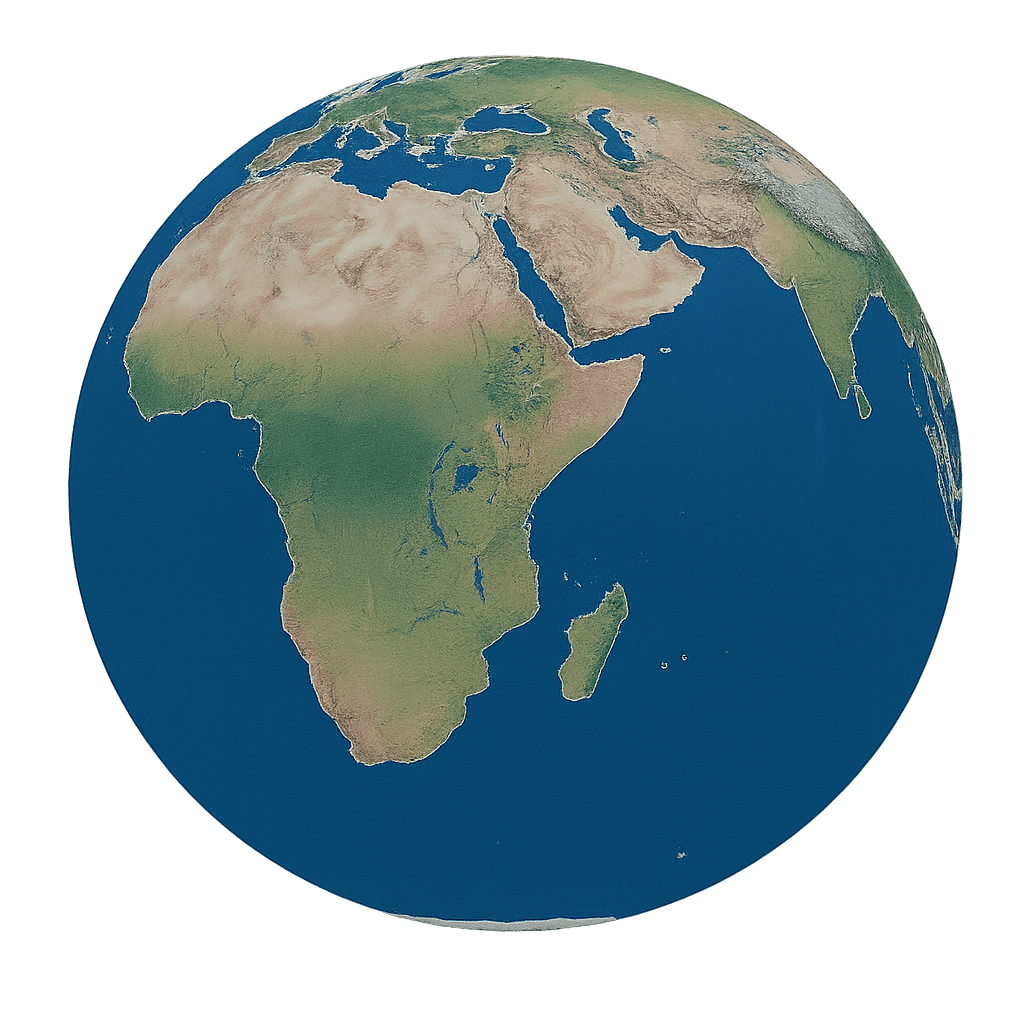
Teledyne Space Imaging Sensors Launch on ESA’s Sentinel-3C and FLEX Missions
The two climate-monitoring missions will provide observations of Earth’s oceans, land surfaces and vegetation.
CHELMSFORD, UNITED KINGDOM, September 16, 2026 /EINPresswire.com/ -- Teledyne Space Imaging technology was successfully launched aboard two major European Space Agency (ESA) Earth observation missions; Sentinel-3C and the Fluorescence Explorer (FLEX). The satellites launched together aboard a Vega C rocket from Europe’s Spaceport in French Guiana.
Sentinel-3C: Continuing long-term Earth observation
Designed and developed by ESA, and operated by EUMETSAT, Sentinel-3C is the third satellite in the Sentinel-3 series. The Sentinel missions are part of Copernicus, the EU Space Programme’s Earth observation campaign.
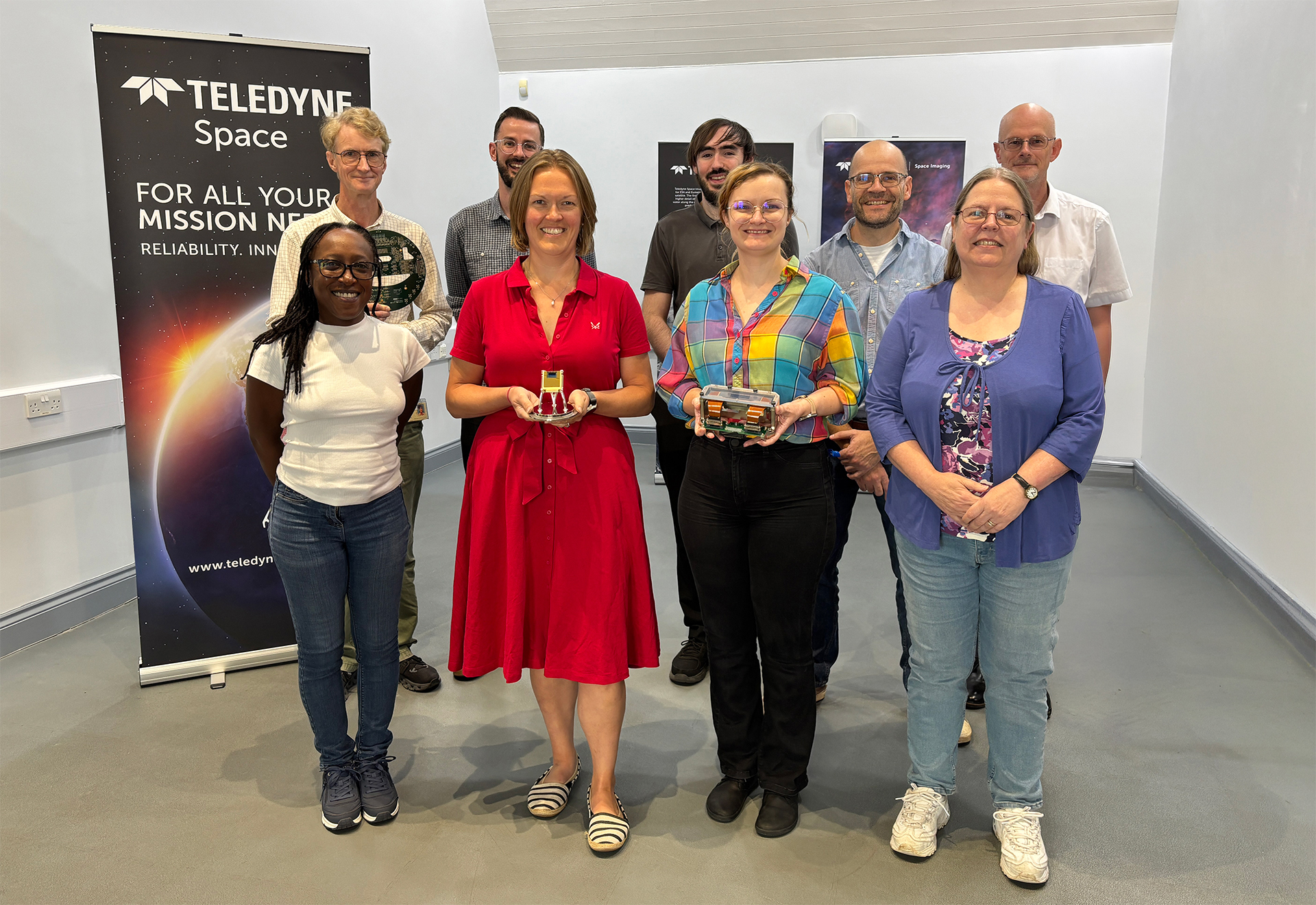
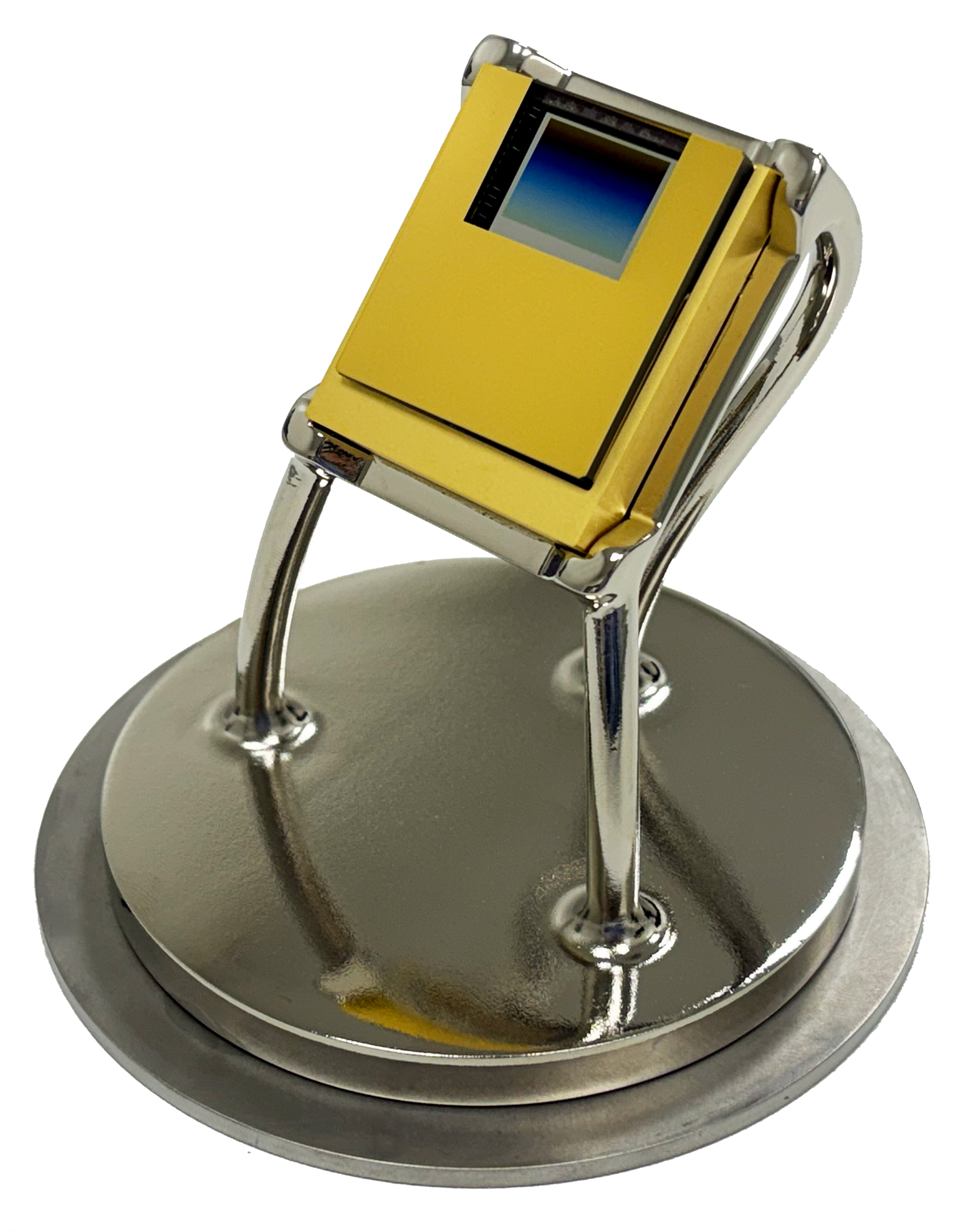
Teledyne supplied five CCD55-20 detectors for Sentinel-3C's Ocean and Land Colour Instrument (OLCI). The detectors – back-illuminated, frame transfer CCDs optimised for hyperspectral imaging – observe in the visible to NIR, from 0.4 to 1.04 µm, and will assist with mapping ocean colour, vegetation cover, and land use.
Elinor Mitchell, Product Engineering Team Leader of the CCD55-20 at Teledyne Space Imaging, said, “We’re delighted to see the successful launch of Sentinel-3C, and our imaging technology continuing to play a vital role in helping support ocean forecasting systems, environmental monitoring and observing changes in atmospheric composition.”
Sentinel-3A was launched in 2016 and Sentinel-3B followed in 2018. Once fully commissioned, Sentinel-3C is expected to take over from Sentinel-3A, helping to ensure continuity of observations from the Sentinel-3 programme.
FLEX: Observing vegetation from space
ESA's Fluorescence Explorer (FLEX) launched alongside Sentinel-3C.
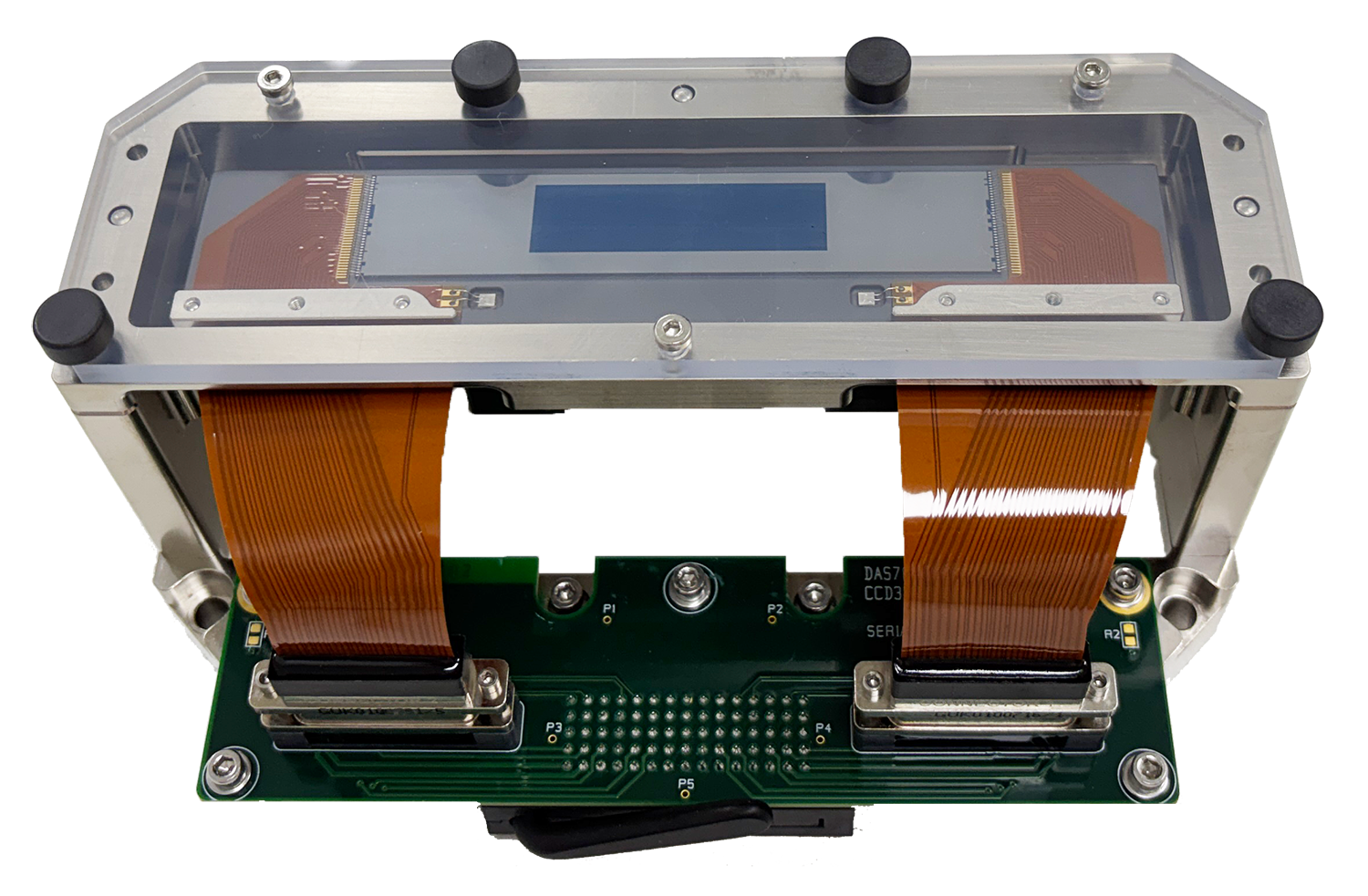
Teledyne supplied three CCD325 detectors for the satellite’s Fluorescence Imaging Spectrometer (FLORIS). These detectors image in the spectral range from 0.5 to 0.78 µm. The imaging sensors have been engineered to measure the fluorescent signal given off by plants during photosynthesis. The amount of fluorescence will provide information on the plant’s photosynthetic efficiency, health, and stress. By measuring this signal, its strength also serves as a direct indicator of how much carbon dioxide is being pulled from the atmosphere during this natural process and will help us understand how well an ecosystem is working.
This data will offer scientists new information about the health and functioning of terrestrial vegetation and how plants interact with the wider Earth system – such as carbon and water cycles – processes that are essential for life on this planet.
Tracy Phillips, Principal Project Manager of the CCD325 at Teledyne Space Imaging, said, “Seeing FLEX successfully launch is an exciting moment for our team and everyone who has contributed to the mission. FLEX will give scientists a new way to observe the process of photosynthesis and understand the movement of carbon between plants and our atmosphere. We’re proud that Teledyne detectors will play a key role in generating data that will support important topics such as agricultural management and food security.”
Abigail Singleton
Singleton PR
email us here
Legal Disclaimer:
EIN Presswire provides this news content "as is" without warranty of any kind. We do not accept any responsibility or liability for the accuracy, content, images, videos, licenses, completeness, legality, or reliability of the information contained in this article. If you have any complaints or copyright issues related to this article, kindly contact the author above.
